
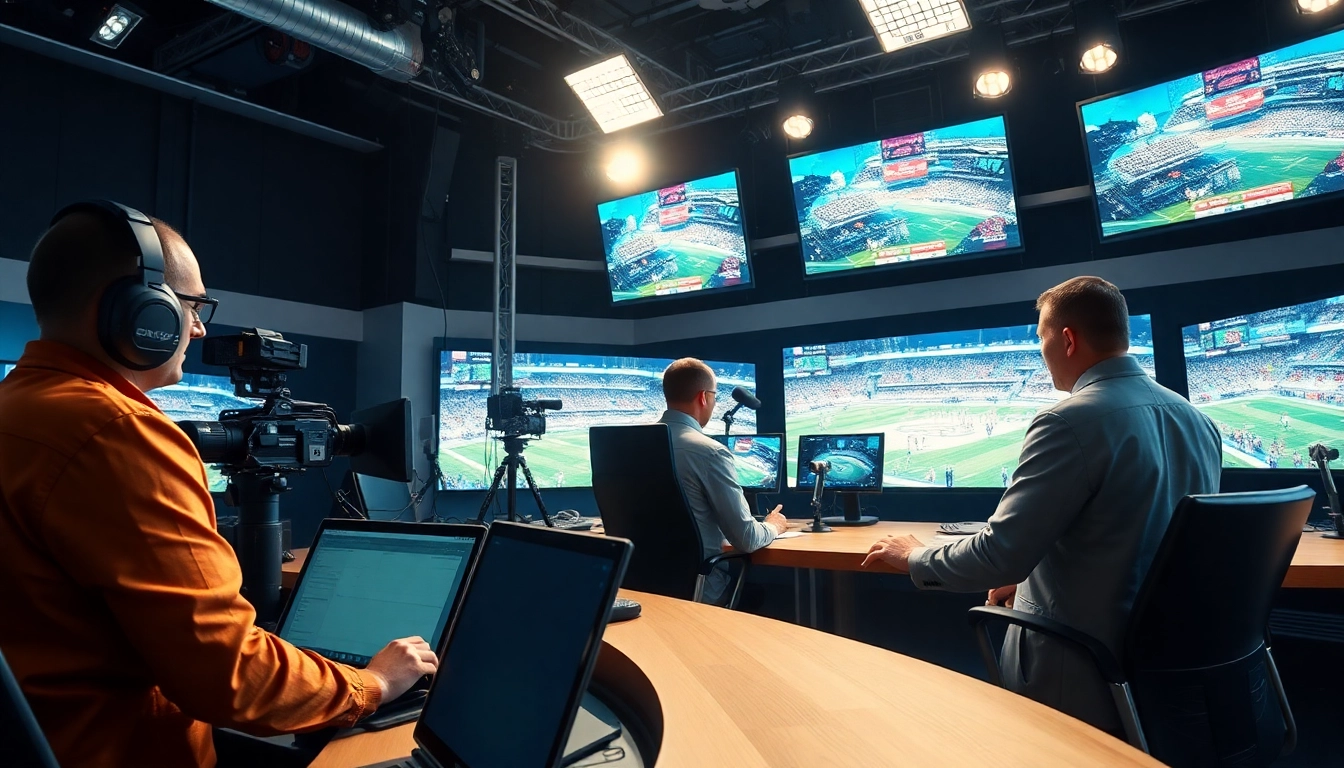
In today’s fast-paced world of entertainment and information, Sports Broadcasting has emerged as a vital conduit for delivering live sports to millions of fans around the globe. This industry is more than just a means of transmitting games; it encompasses a convoluted interplay between technology, audience engagement, branding, and a keen understanding of modern media landscapes. As we delve deeper into the realm of Sports Broadcasting, we will cover its fundamental aspects, effective strategies, and the trends shaping its future.
Understanding Sports Broadcasting Fundamentals
The Role of Technology in Sports Broadcasting
The advent of technology has revolutionized Sports Broadcasting, enabling networks to deliver real-time updates, high-definition visuals, and interactive experiences that were previously unimaginable. Innovations like 4K resolution cameras, drones for aerial shots, and augmented reality graphics enhance the viewer’s experience by adding layers of information and entertainment. Additionally, streaming services have transformed the accessibility of sports content, making it possible for fans to watch their favorite teams live from anywhere.
Key Skills Required for Broadcasting Professionals
Broadcasting professionals must possess a diverse skill set to adapt to the dynamic landscape of Sports Broadcasting. Key skills include:
- Communication Skills: Articulate commentators and hosts must convey excitement and information clearly, engaging viewers effectively.
- Technical Proficiency: Knowledge of broadcasting tools, software, and editing equipment is essential for seamless operation.
- Research Abilities: A thorough understanding of the sport, players, and statistics facilitates insightful commentary and analysis.
Types of Sports Broadcasting Platforms
Sports Broadcasting occurs across various platforms, each catering to different audience preferences:
- Television: Traditional broadcasting remains a dominant presence, featuring dedicated sports networks.
- Streaming Services: Platforms like Hulu and ESPN+ offer on-demand sports content, appealing to a younger demographic.
- Social Media: Channels like Facebook Live and Twitter provide instant updates and interactive content, fostering real-time engagement.
Strategies for Effective Sports Broadcasting
Maximizing Audience Engagement
Engaging an audience is critical for sustaining viewership. Employing strategies such as live polls, listener questions, and social media interactions can elevate viewer participation. Integrating behind-the-scenes content or personal stories associated with players also helps to humanize athletes, making them relatable to fans. Regularly analyzing viewer feedback and adapting content accordingly is essential for keeping engagement levels high.
Utilizing Analytics for Performance Improvement
With advancements in analytics, broadcasters can now track viewer behavior, preferences, and trends. Utilizing these insights can lead to more informed content decisions. Metrics such as viewership ratings, demographics, and engagement rates provide valuable data for tailoring programming to meet audience desires. Furthermore, A/B testing different broadcast formats can yield insights into what resonates best with viewers.
Building a Brand in Sports Broadcasting
Establishing a recognizable brand is essential for longevity in Sports Broadcasting. This process involves creating a unique brand identity through consistent messaging, visuals, and tone. Collaborations with athletes, sponsors, and other media can enhance brand visibility and credibility. Fostering community by engaging with fans on multiple channels is another way to establish a loyal following.
The Impact of Social Media on Sports Broadcasting
Creating Compelling Social Media Content
Social media serves as a powerful tool for extending the reach of Sports Broadcasting. Creating dynamic, shareable content such as highlight reels, player interviews, and infographics helps engage fans off-screen. Visual platforms like Instagram and TikTok cater to a younger audience, making it essential to tailor content for each platform to maximize impact.
Engaging Fans Through Interactive Broadcasting
Interactive broadcasting allows viewers to engage with content in real time, enhancing their experience. Features like live Q&A sessions, viewer polls during the match, or fantasy leagues integrated during broadcasts keep fans immersed in the action. The more interactive the experience, the more likely viewers are to return for future broadcasts.
Leveraging Influencers to Boost Visibility
Collaborating with sports influencers can significantly enhance visibility and credibility in the crowded space of Sports Broadcasting. By bringing influencers into the production process, broadcasters can tap into new audiences. Influencers help promote content through their established platforms, allowing networks to leverage their loyal follower bases to reach new viewers.
Challenges in the Sports Broadcasting Industry
Combatting Piracy and Copyright Issues
The proliferation of digital content has opened the door for piracy, threatening the integrity of the Sports Broadcasting industry. Protecting intellectual property rights through watermarking and strict licensing agreements is essential. Collaborating with copyright enforcement services to monitor and combat piracy can help safeguard content rights.
Keeping Up with Changing Technologies
As technology continues to advance, staying abreast of new innovations is crucial for success in Sports Broadcasting. This includes adapting to changes in consumer technology, such as the rise of 5G, which allows for faster streaming and better quality broadcasts. Investing in ongoing training and education for broadcasting staff can also help to keep pace with new developments.
Navigating Industry Regulations
Broadcasting professionals must also navigate the complex legal landscape that governs the industry. Regulations regarding content distribution, advertising, and data privacy can change quickly, requiring companies to maintain compliance and adapt to new rules. Regularly consulting legal experts can help broadcasters stay informed of any necessary changes.
Future Trends in Sports Broadcasting
The Rise of Virtual and Augmented Reality
Virtual reality (VR) and augmented reality (AR) are poised to transform the way fans experience sports. These technologies can create immersive environments that allow viewers to feel as though they are part of the action. For instance, VR can enable fans to enjoy a 360-degree view of a game from their home, making it an exciting prospect for future broadcasts.
Predicting Changes in Viewership Habits
As younger generations increasingly turn to streaming platforms over traditional TV, broadcasters must predict and adapt to changing viewership habits. Understanding the patterns of consumption—such as binge-watching or on-demand viewing—will be essential in creating tailored content that resonates with audiences. Staying agile and versatile will allow broadcasters to meet evolving viewer expectations.
Innovations in Live Streaming Technology
Live streaming continues to grow, with innovations enhancing quality and reliability. The integration of AI technologies can streamline the production process, improving efficiency while also creating personalized viewing experiences for fans. As live streaming becomes more mainstream, broadcasters must ensure they offer seamless, high-quality broadcasts that meet the increasing demand for live content.
Frequently Asked Questions
1. What is Sports Broadcasting?
Sports Broadcasting refers to the transmission of live sports events through various media channels, including television, radio, and online platforms.
2. How has technology influenced Sports Broadcasting?
Technology has enhanced Sports Broadcasting through improved visuals, interactive experiences, and expanded access via streaming services.
3. What skills are essential for a career in broadcasting?
Essential skills include strong communication, technical proficiency with broadcasting tools, and the ability to research and analyze sports data.
4. How can social media enhance sports broadcasting?
Social media engages fans through interactive content, expands reach, and allows real-time updates, enhancing viewer experience.
5. What are the future trends in Sports Broadcasting?
Future trends include the rise of VR and AR technologies, changing viewership habits towards streaming, and innovations in live streaming capabilities.