
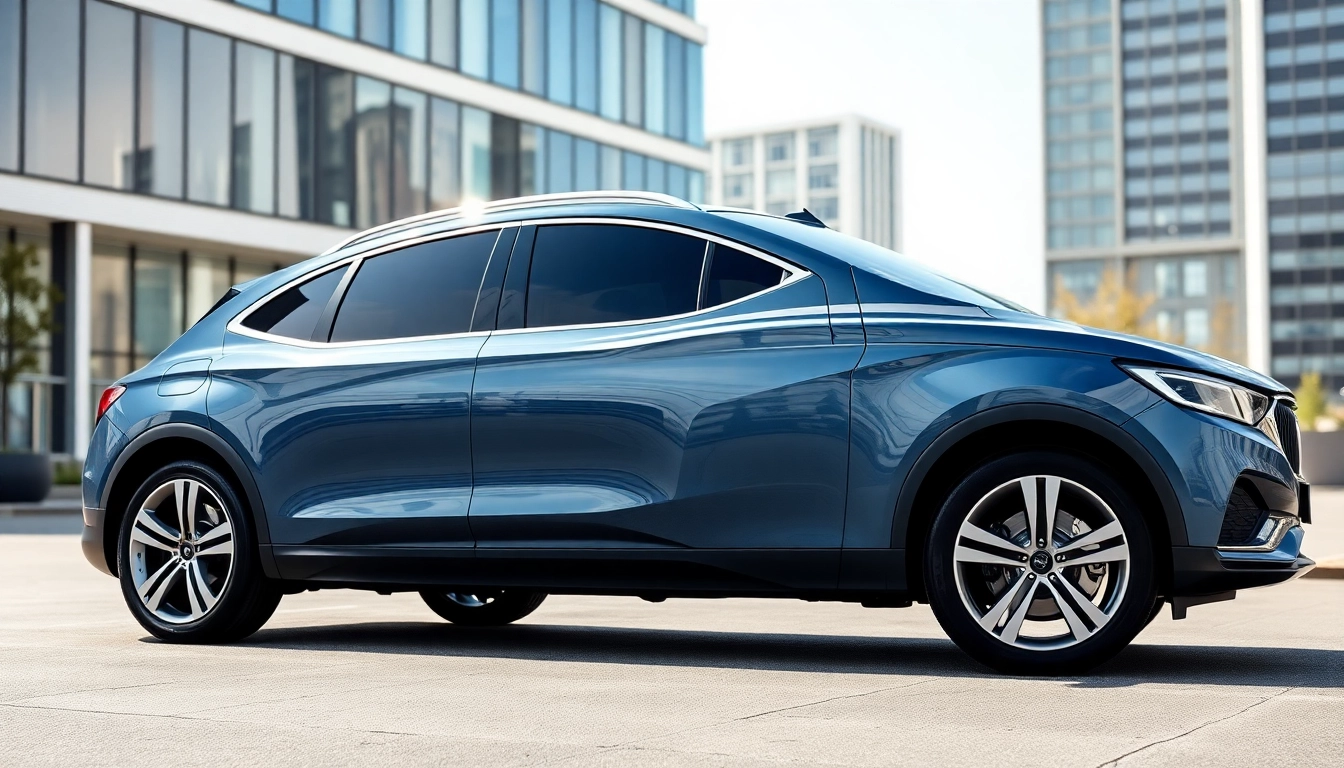
Understanding Ceramic Window Tint
What is Ceramic Window Tint?
Ceramic window tint is a sophisticated type of window film that utilizes advanced technology to enhance the comfort and safety of vehicles and buildings. Unlike traditional options like dyed or metalized tints, ceramic window tint is composed of non-metallic ceramic particles, which resist heat and block harmful UV rays without compromising visibility. This innovative technology has gained popularity due to its efficiency and range of benefits, making it a smart choice for those looking to upgrade their glass surfaces. As you delve deeper into the benefits of ceramic window tint, you will find that it not only improves aesthetics but also contributes to better energy efficiency and vehicle longevity. For those looking for reliable options near them, consider exploring ceramic window tint services.
How Does It Work?
Ceramic window tint works through a combination of physics and chemistry, utilizing ceramic particles that reflect and absorb solar energy. Unlike metallic tints that may interfere with electronic signals, ceramic tints allow for unhampered mobile phone and GPS signals, making them an ideal choice for modern vehicles. The unique formulation prevents sunlight from penetrating the glass while providing maximum clarity and visibility. The result is not just cooler interiors but also a significant reduction in glare, which enhances driving comfort and safety.
Benefits of Using Ceramic Window Tint
The benefits of ceramic window tint extend far beyond mere aesthetics. Among the most significant advantages are:
- Heat Reduction: Ceramic window tint can reduce interior temperatures by reflecting up to 99% of UV rays and significant portions of infrared heat.
- UV Protection: It effectively blocks harmful UV rays that can cause skin damage and interior fading.
- Enhanced Privacy: It offers a level of privacy without sacrificing visibility, guarding against prying eyes.
- Durability: Ceramic films have a longer lifespan compared to other types of window tints due to their resistance to scratching and fading.
- Improved Style: Available in various shades, it can be tailored to individual aesthetics while still being functional.
Key Features of Ceramic Window Tint
Heat Resistance and UV Protection
Heat resistance is one of the primary features of ceramic window tint. It acts like a barrier, preventing 99% of the sun’s harmful rays from penetrating glass. This has a dual benefit: keeping your vehicle cooler on hot days and protecting your interior from fading. Additionally, UV protection is crucial for health reasons, as these rays are linked to skin cancer and other health risks. By blocking a significant amount of UV radiation, ceramic tints contribute to a safer driving environment.
Improved Aesthetics and Privacy
Ceramic window tint offers enhanced aesthetics due to its sleek finish and clarity. Unlike dyed films, which can lead to color peeling and fading over time, ceramic tints retain their color and clarity for years. Moreover, it provides a level of privacy to the vehicle’s interior without becoming overly dark, which is beneficial for urban environments where personal space is often compromised. This blend of aesthetic appeal and functional privacy makes ceramic tint a popular choice among car owners and homeowners alike.
Durability Compared to Traditional Films
The durability of ceramic window tint is unmatched when compared to traditional films. Various environmental factors such as sunlight exposure, extreme temperatures, and precipitation can wear out traditional tints faster. In contrast, ceramic tints are designed to weather these conditions without delamination or discoloration, ensuring long-lasting performance. Furthermore, they are scratch-resistant, which protects the film’s surface from regular wear and tear, enhancing their longevity.
Installing Ceramic Window Tint
Choosing the Right Professional Installer
When it comes to installing ceramic window tint, choosing the right professional installer is crucial. Look for certified professionals with strong reputations and positive reviews. Ask for examples of previous work, and don’t hesitate to request referrals from satisfied customers. A skilled technician ensures that the tint is applied correctly, with attention to detail, which is essential for achieving optimal performance and aesthetics. Always confirm that the installer uses high-quality materials to guarantee the longevity of your investment.
Installation Process Overview
The installation process of ceramic window tint typically involves several steps:
- Preparation: The technician prepares the vehicle by cleaning the windows meticulously to remove any dirt or residue.
- Measuring and Cutting: Accurate measurements are taken to cut the tint to fit the specific windows, ensuring minimal waste and perfect fit.
- Application: Using a slip solution, the technician carefully applies the film to the glass, squeegeeing out air bubbles and excess moisture.
- Edge Sealing: The edges are sealed to prevent peeling and ensure that the film adheres properly.
- Drying Time: A drying period is essential for the adhesive to set properly, typically lasting a few days depending on environmental conditions.
Post-Installation Care and Maintenance
After installation, proper care is critical to maintain the integrity and appearance of the ceramic window tint. Here are some maintenance tips:
- Avoid rolling down windows for at least 3-5 days to allow the adhesive to cure fully.
- Use soft microfiber cloths for cleaning to prevent scratches.
- Avoid ammonia-based cleaners as they can damage the tint; instead, opt for pH-balanced solutions.
- Check for bubbling or peeling in the first few weeks; if any issues arise, consult your installer immediately.
Ceramic Window Tint vs. Other Types of Tint
Comparing Performance with Dyed and Metalized Tints
When comparing ceramic window tint with dyed and metalized options, ceramic consistently outperforms in several areas. Dyed films may provide some level of heat reduction, but they fade over time and can warp once exposed to high temperatures. Metalized tints, while good at reflecting heat, can interfere with electronic signals and can appear too reflective for some preferences. Ceramic films strike a perfect balance, offering excellent heat resistance while maintaining clear visibility and unimpeded wireless signals.
Cost-Effectiveness Over Time
While ceramic window tint often comes at a higher upfront cost than other tint types, it becomes more cost-effective over time. With its longevity, minimal maintenance, and superior performance, the need for replacement or repair is significantly reduced. Additionally, the energy savings from reduced air conditioning use can offset initial costs, making ceramic tints a wise financial investment for the future.
Consumer Preferences and Satisfaction
Consumer preferences lean heavily towards ceramic window tint due to its efficiency and overall comfort. Many users report a marked difference in interior temperatures and UV exposure, leading to increased satisfaction. This positive feedback has driven many to opt for ceramic tints as their first choice in window films, correlating directly with growing sales and a broader acceptance in both residential and commercial settings.
Frequently Asked Questions about Ceramic Window Tint
What are the cost expectations for ceramic window tint?
The cost of ceramic window tint can range from $500 to $2,500, depending on the vehicle type and tint quality. Factors like the size of windows and installation fees also contribute to the total price.
Can it reduce the risk of interior fading?
Yes, ceramic window tint significantly reduces the risk of fading by blocking up to 99% of UV rays, therefore extending the life of upholstery and other interior materials.
How long does ceramic window tint last?
High-quality ceramic window tint can last anywhere from 10 to 15 years or longer with proper care and maintenance, providing long-term benefits for your vehicle or property.
Is it legal in my state?
Window tint laws vary by state, including allowable darkness and reflectivity. Always check local regulations before installation to ensure compliance.
Does it improve fuel efficiency?
By reducing the amount of heat entering your vehicle, ceramic window tint can help improve fuel efficiency by lessening the need for air conditioning, especially during hot weather.